 EUR
EUR
 GBP
GBP
 USD
USD
The Ultimate Beer Lover’s Journey: Dublin, Germany, Austria, Belgium & Czechia
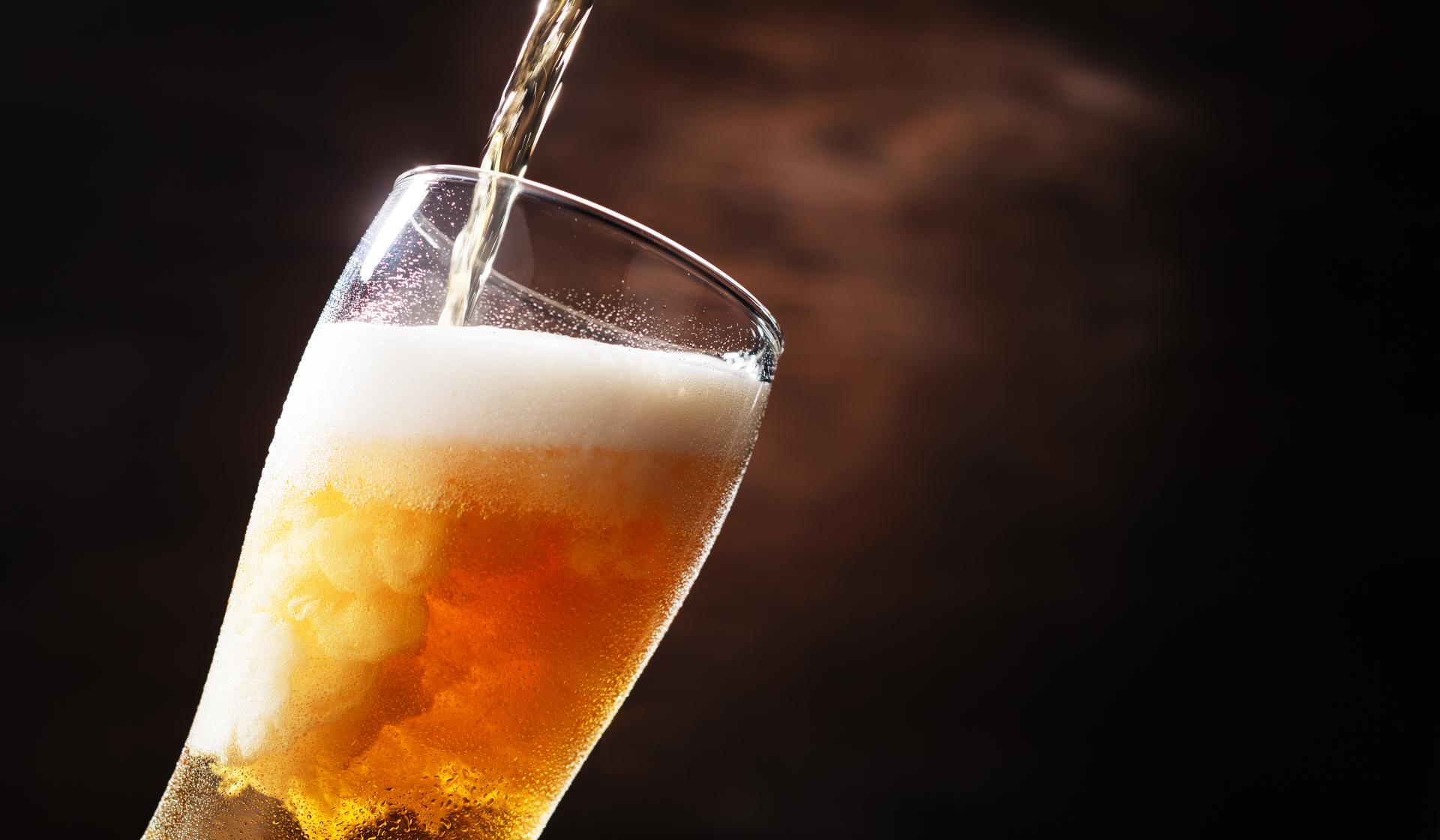
Beer isn’t just a drink in Dublin, Germany, Austria, Belgium, and Czechia it’s a living culture, shaped by monks and merchants, tapsters and tinkerers, bakers and barmaids. This long-form guide takes you pint-by-pint through four places where beer is a big thing, weaving history and travel-ready tips with a few delicious detours and fun facts you can bring to the bar.
Dublin: Where the Stout Learned to Sing
Start in Dublin, where roasted barley, nitrogen microbubbles, and decades of pour ritual give the city’s signature stout its velvet purr. The modern creamy “surge and settle” pint was made possible in 1959, when Guinness’s mathematician-brewer Michael Ash led the invention of nitrogen dispense an innovation that turned stout into a show as much as a drink. If you want the full story (with skyline views), head to the Guinness Storehouse at St. James’s Gate, an immersive museum capped by the panoramic Gravity Bar.
Dublin stout tastes like conversation: roasted coffee and cocoa on the nose, a dry, toasty finish, and a cream cap so tight you can trace your name in it. That creamy head isn’t an accident; it’s the handiwork of nitrogen, less soluble than CO?, which lets brewers serve beer at higher pressure without prickly fizz, creating those tiny, mesmerizing bubbles. It’s a tiny tech miracle in every pint, born of a 1959 breakthrough and refined in pub after pub. If you’re curious about the engineering romance behind nitro stout, Guinness’s own history page is a great rabbit hole, and it gives Ash his due: Discover the Story of Guinness.
Nice fact to drop at the bar: the signature nitro pour (and later the little “widget” that makes canned stout surge) came decades after Arthur Guinness signed the famous 9,000-year lease in the 18th century. Innovation is as Dublin as fiddles and oysters. If you want a quick explainer on how the widget mimics a draught pour at home, read this clear breakdown: What Is the Guinness Widget and How Does It Work?.
Germany: Precision, Purity, and the Joy of the Biergarten
Cross to Germany and you’ll find lager’s cathedral, from sunlit Helles in Munich to smoky Rauchbier in Bamberg, bright Pils in the north, and two proud top-fermented holdouts along the Rhine: Kölsch in Cologne and Altbier in Düsseldorf. Germany’s brewing identity is forever linked to the Reinheitsgebot the Bavarian “purity order” first codified in 1516 that originally limited beer to water, barley, and hops and, across centuries, evolved into a broader quality ethos. For a concise primer, start with the Library of Congress’s anniversary note or the deep-dive overview here: 500 Years of the Bavarian Beer Purity Law and this accessible history of the Reinheitsgebot.
Cologne’s straw-gold Kölsch is a crisp, delicately fruity ale that must be brewed in and around the city to use the name protected in the EU by a PGI and guided by the Kölsch-Konvention of the local brewers. Order it and watch servers circulate with trays of 200 ml Stangen, replacing your glass until you cap it with a coaster. Learn why the name is protected and what defines the style via the Kölsch (beer) entry and the style notes of the BJCP.
An hour up the Rhine, Düsseldorf’s copper-hued Altbier flips the script: it’s an ale that’s “lagered” fermented warm, then cold-conditioned yielding a firm, clean finish that can go toe-to-toe with pilsners. The name “Alt” nods to the “old way” of brewing before bottom-fermenting lagers took over in the 19th century. For a crisp style snapshot, see the BJCP’s Düsseldorf Altbier and the concise historical note in the Oxford Companion to Beer: Altbier.
Then there’s Bamberg, where smoke perfumes the air and the lagers. Rauchbier malt dried over beechwood smoke tastes like campfire-kissed bread and bacon, a beer that turns heads at first sip and wins loyalty by the second. For a time-machine experience, go straight to the source at Schlenkerla, a historic tavern drawing beer from oak barrels beneath Bamberg’s cathedral. Read their story (and the many smoked variants) at Schlenkerla Rauchbier and its beer pages, starting with the classic Aecht Schlenkerla Rauchbier.
Nice fact for Germany: official purity “laws” were never a single unchanging rulebook what began as a Bavarian decree in 1516 became a powerful cultural idea that still shapes modern German brewing and marketing. If you see “Gebraut nach dem Reinheitsgebot” on a label, you’re looking at five centuries of brand storytelling. For a quick, brewer-friendly read on why 1516 still matters, here’s Bitburger’s overview: German Beer Purity Law.
Austria: Vienna’s Amber Legacy and Today’s Märzen Nation
Slide southeast into Austria and you land in the birthplace of Vienna Lager, a style that once swept Europe with its burnished-amber glow and toasty elegance. In the 1840s outside Vienna, brewer Anton Dreher married English malting know-how and Bavarian cold-fermentation to create a bottom-fermented beer that matured cool and poured with a gentle copper shine; the new “Schwechater Lagerbier” lit the path for pale and amber lagers around the world. If you want the origin story with names and dates, start with the life of Anton Dreher, then skim a clean style snapshot in the BJCP Vienna Lager notes; together they sketch how a Viennese innovation helped define modern lager.
Austrian lager today is more than a museum piece, and the word “Märzen” on a menu in Vienna doesn’t mean what it might in Munich. In Austria, the everyday “Märzen” is the standard golden, bottom-fermented house beer lighter in color and alcohol than the malty Oktoberfest-type Märzen many drinkers picture so when you order a Märzen in a Viennese gasthaus, expect something closer to a bright Helles than a deep amber festbier. The Austrian brewers’ own pages and German-language references make the distinction clear; if you’re curious, peek at the Austrian beer portal’s entry for Märzen, österreichischer Brauart and this plain-spoken overview of Märzenbier.
Vienna’s beer scene is easy to taste in situ. In Salzburg, the venerable Stiegl brewery runs a combined museum and “beer experience world” that folds tastings and tours into a breezy afternoon an excellent primer on Austrian lager brewing before you hop a train east. Details, times, and booking live on the official pages for the Stiegl-Brauwelt tours and the Stiegl museum. Back in the capital, the city’s last major brewery, Ottakringer, opens its doors for behind-the-scenes walks that finish the right way: with fresh beer in your glass. Check schedules and book through the brewery’s own site: Ottakringer Brewery. If you’re collecting local color, Vienna’s tourism board even notes the slang for a can of Ottakringer “Sechzehner-Blech,” a wink at the 16th district where the brewery lives.
For style-minded travelers, Austria lets you taste the family tree in one city: a properly poured golden Märzen for the crisp, daily table beer; a textbook Vienna Lager for that toasted-bread mid-palate; and, if you spot it, an unfiltered Zwickl that trades shine for a softer, fresh-from-the-cellar feel. To orient your palate before you fly, the BJCP’s guidelines collect tidy, brewer-friendly descriptions across these styles, and they’re a handy vocabulary lesson for ordering: browse the main Beer Style Guidelines page, then compare Vienna Lager with its German cousins if you want to go full nerd.
Austria also drinks what it brews. In recent years the country has sat near the top of global beer-per-person rankings, a reminder that lager is woven into everyday life from mountain huts to city heurigen and night-market sausage stands. If you like numbers with your narratives, Kirin’s global report keeps yearly score Czechia sits comfortably first while Austria reliably trails close behind, a statistical pat on the back for anyone planning a Vienna-plus-Prague lager loop. You can dig into the league table here: Kirin Global Beer Consumption 2023. For a traveler’s snapshot with venue ideas and seasonal notes, the Vienna city guide offers a friendly primer to local beer habits: Beer and Austria.
If you build Austria into your beer itinerary, let Vienna teach you how an amber idea from the 1840s still shimmers today. Start with a tour, order Märzen like a local, chase down a Vienna Lager for history in a glass, and finish with a Zwickl at a street-corner Würstelstand while the city hums around you. It’s a compact masterclass in Europe’s lager language, spoken with a Viennese accent and a foamy smile.
Belgium: Yeast, Monks, and a UNESCO-Listed Culture
Belgium might be the world’s most diverse brewing nation: peppery farmhouse Saisons, elegant Tripels, brooding Dubbels, spontaneously fermented Lambics and Gueuze, and the monastic Trappist ales that bankroll abbeys and charities. This isn’t just beer; it’s recognized living heritage. In 2016, Belgian beer culture was added to UNESCO’s Representative List of the Intangible Cultural Heritage of Humanity, a nod to everything from local glassware rituals to community festivals. Read the official UNESCO entry here: Beer culture in Belgium, and a helpful overview on Belgian beer culture.
If you chase authenticity, the International Trappist Association certifies beers brewed within monastic communities to support their work; the famous hexagonal logo marks the real thing. Explore the Trappists and their beers at trappist.be and the beer section here: Trappist® beers. For a single-abbey rabbit hole, peek at the austere, much-whispered Westvleteren via the abbey’s page: Our beers – Westvleteren.
Belgium is also where spontaneity became an art. Lambic begins with ambient microflora inoculating a shallow pan of wort in the cool night air; Gueuze blends young and old lambics into sparkling, tart complexity; fruit lambics like Kriek add cherries for a ruby glow. The producers’ guild HORAL promotes and protects these traditional methods start here: HORAL – Traditional Lambic Beers. If you’ve got Brussels on your itinerary, a self-guided wander through the cobwebbed coolship halls of Cantillon is unforgettable; check opening info via their official channels and museum listings.
Nice fact (and a fun stop): Brussels’ Delirium Café once held the Guinness World Record for the world’s largest beer list 2,004 beers on offer. It’s touristy, sure, but the cellar list is a kaleidoscope. Read the venue’s own note here: Delirium Café Brussels and a backgrounder on the record at Delirium Café (Wikipedia).
For saison fans, it’s hard to beat a bottle of the benchmark Saison Dupont born on a farmhouse brewery and still a masterclass in dry, peppery elegance. The brewery’s page offers a concise historical sketch and notes on the distinctive secondary fermentation: Saison Dupont.
Czechia: The Birthplace of Pilsner (and the Art of the Pour)
If lager had a capital, it would be Czechia. In 1842, the citizens of Plze? founded a new brewery and hired brewer Josef Groll; the beer that followed bright, golden, and snapped with Saaz hops changed the world. That beer is Pilsner Urquell, still brewed in Plze? and still a beacon for hop-perfumed, malt-rounded balance. Read the brewery’s origin story and why they insist every drop is brewed in Plze?: Pilsner Urquell – The Original and Our Story.
Czech lager culture isn’t just about recipe it’s about how you pour. Tapsters practice three classic pours from side-pull faucets: Hladinka (a silky cap of dense, wet foam over beer), Šnyt (smaller beer, bigger foam, session-friendly), and Mlíko (“milk”), a glass of near-pure foam that tastes like sweet, velvety cream and collapses into sips of liquid gold. Pilsner Urquell explains this beautifully: Foam Is Flavour: Three Pours. For a cultural primer, see this Czech taproom guide to the four pub pours you might encounter in Prague: How well do you know the four beer pours?.
Nice fact to impress your table: by global measures, Czechs have led the world in beer consumption per person for decades. Kirin’s 2024 report pegs Czech consumption at around 152 liters per person in 2023, marking 31 consecutive years at number one. It’s a statistic that says as much about community life in the hospoda (pub) as it does about national taste. Dive into the numbers here: Kirin Global Beer Consumption 2023.
How to Taste Like You Belong
Pour tradition matters, but so does your own ritual. Let the beer settle, then use your eyes before your nose: is that Czech lager brilliantly bright beneath a mousse of foam, or is your Dublin stout still cascading to stillness? Bring the glass to your face and inhale with curiosity malt can smell like toast, honey, biscuit, or coffee; hops can be herbal, floral, or spicy; Belgian yeast might read as pear, pepper, or clove; lambic can be lemony, haylike, and a touch wild; Vienna-style lager from Austria often gives a gentle toffee-biscuit note. Sip with purpose and notice how sweetness and bitterness trade places across the palate. Pay attention to the finish: German lagers can snap clean, Irish stouts dry out like espresso, Belgian strong ales stretch into a warm, perfumed afterglow, Czech pours soften bitterness under dense wet foam, and Austrian Marzen lighter than the Munich “Marzen” many imagine finishes crisp and easy. Above all, enjoy the context; freshness and clean draft lines matter as much as the recipe, and local pour rituals (from Dublin’s two-stage nitro pour to Prague’s side-pull faucets) are part of the flavor.
What to Drink Where (and Why It’s Special)
In Dublin, you are here for the nitro stout at a busy bar, ideally after an afternoon exploring the archives and skyline views at the Guinness Storehouse; it is hard not to grin at the first creamy sip when a trad session strikes up in a snug. In Germany, the calendar writes your itinerary: a sunny biergarten stein of Helles in Munich, a train to Bamberg for a beechwood-smoked Rauchbier with roast pork, then a Rhine hop to Cologne for Kolsch in slender Stangen followed by Dusseldorf’s dignified Altbier halls where your tally is chalked with quiet precision. In Belgium, order the beer with its proper glass chalice for Trappist and Abbey ales, tulip for Tripel, flute or tumbler for Gueuze and remember you are participating in a UNESCO-listed living culture that spans bar rituals, village brew fairs, and centuries of yeast wisdom. In Czechia, ask your server for a Hladinka or Snyt by name, watch the side-pull faucet do its silky work, and discover how foam is flavor, not filler, especially with a classic poured at the source in Plzen. In Austria, taste the amber legacy that helped define modern lager seek out a textbook Vienna Lager for toasted bread notes, then drink like a local with a golden Austrian Marzen at a gasthaus; if you find an unfiltered Zwickl, let its soft, cellar-fresh texture be your nightcap.
A Few Tethered Links for Your Trip Planning
Plan Dublin and book a timed slot at the Storehouse via guinness-storehouse.com. If German styles intrigue you, the BJCP’s concise style pages are perfect vocabulary builders at the bar start with Kolsch – BJCP 6C and follow with Dusseldorf Altbier. For Belgium, browse the official International Trappist Association and plan abbey-adjacent detours, then read why Belgian beer culture is on UNESCO’s list here: Beer culture in Belgium. If you are lager-obsessed, build a pilgrimage to Plzen with the brewery’s own story as your map: Pilsner Urquell – The Original. For Austria, brush up on the style family tree with BJCP beer style guidelines, dig into Vienna Lager’s roots through Anton Dreher, and add hands-on stops like Stiegl-Brauwelt in Salzburg or tours at Ottakringer Brewery in Vienna; to order like a local, see Austria’s take on Marzen.
Culture Notes That Earn a Nod from Locals
In Cologne, Kolsch arrives in small, fresh glasses that keep coming until you cap your drink with a coaster; the rhythm is part of the charm and the Kolsch-Konvention. In Dusseldorf, it is customary to stand at the bar for your first Altbier and watch your tally chalked, a quiet ritual in a city that still brews “the old way.” In Brussels, do not swap glassware Belgians design each shape to flatter aroma and foam, a habit embedded in a culture recognized by UNESCO. In Prague, your server may mark beers on your coaster or a paper tab and settle at the end; ordering by pour style Hladinka, Snyt, or Mliko is normal and appreciated, and breweries like Pilsner Urquell explain why foam is flavour. In Dublin, the patient two-stage nitro pour is part of the pleasure give the head a moment to form its tight crown before you drink. In Vienna, remember that “Marzen” usually means the everyday golden lager; if you want history in a glass, ask for a Vienna Lager, and if you hear “Sechzehner-Blech,” locals are talking about a can of Ottakringer from the 16th district.
Quick, True, and Share-worthy Facts
The creamy nitrogen surge that defines Dublin stout comes from a 1959 engineering breakthrough that introduced nitrogen dispense to draught stout, an innovation later echoed by the little widget in cans; you can trace that story through the Storehouse and various brewing histories. The oft-invoked Reinheitsgebot began in one German state in 1516 and evolved into modern quality regulations; today it is as much identity and marketing as law, yet it still shapes how many German brewers talk about their beer. Belgian beer culture is not just a slogan it was formally inscribed by UNESCO in 2016, recognizing everything from brewing to glassware and community festivals; start with the official listing at UNESCO. Czechia did not just pioneer the world’s most emulated lager in 1842; it has also topped global beer-per-person rankings for decades, a statistic that echoes the centrality of the hospoda and the national devotion to a perfect pour. Austria’s Vienna Lager sparked by Anton Dreher’s 1840s innovations helped chart the path for modern amber and pale lagers; a sip of a good Vienna Lager is a miniature history lesson. For receipts and rabbit holes, browse the Guinness Storehouse, the Library of Congress note on the Reinheitsgebot, UNESCO’s listing above, and the data-rich global consumption reports published annually by Kirin (search for “Kirin Global Beer Consumption” on their newsroom).
Closing Toast
If you make this loop Dublin’s creamy stout, Germany’s disciplined breadth, Belgium’s baroque yeast magic, Czechia’s foamy lager theater, and Austria’s amber-toned legacy you will come home with a deeper sense of how beer can be both everyday and extraordinary. Bring curiosity, order like a local, follow the pour rituals, and let the glass teach you. Na zdravi, sante, prost, slainte, and zum Wohl.
Related Stories

A practical, print-friendly blog to help you leave home calm, packed, and ready. Going on holiday is half excitement, half logistics. This guide keeps it simple: what to sort before you leave, what to pack (and why), plus a master checklist you can copy,
5 minutes read

The first time I traveled alone, a friendly stranger “helped” me with the metro map and somehow my phone vanished during our chat. I didn’t even feel the lift just the sudden hollow in my pocket and that hot, embarrassed rush behind the eyes. Since then,
5 minutes read

Travel is magical: you pack half your wardrobe, wear the same hoodie all week, and start saying things like “let’s grab a light bite.” When you book a place on OH-Stay.com, the goal is simple find a stay that’s comfy, convenient, and doesn’t require a hel
4 minutes read