 EUR
EUR
 GBP
GBP
 USD
USD
Street-Smart, Not Scared: How I Keep My Odds Against Getting Mugged
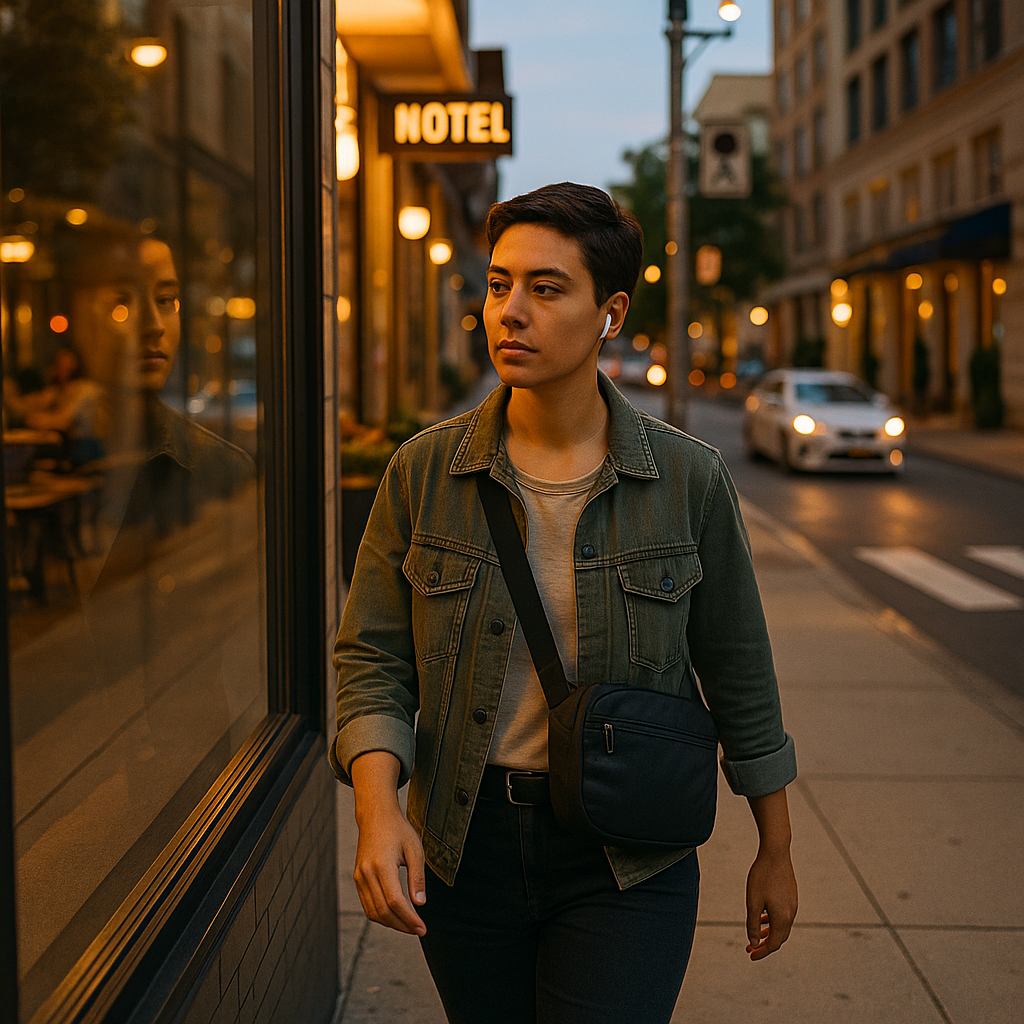
The first time I traveled alone, a friendly stranger “helped” me with the metro map and somehow my phone vanished during our chat. I didn’t even feel the lift just the sudden hollow in my pocket and that hot, embarrassed rush behind the eyes. Since then, I’ve picked up a handful of habits that make me far less interesting to people who make a living off other people’s distractions.
This isn’t about living in fear. It’s about tilting the table in your favor with small, repeatable choices. Think of it like wearing a seatbelt: most days it won’t matter. On the day it matters, it matters a lot.
Blend In, Move On
You know the look: brand-new sneakers, camera swinging, shopping bag logos flashing like neon signs. It reads “tourist” from half a block away. When I’m in an unfamiliar area, I dress to disappear muted colors, nothing dangly, jewelry kept simple or tucked away. Confidence helps too. You don’t need a mean mug; you need a clear destination. Walk like you’ve done this a thousand times. Brief eye contact, small nod, keep moving.
The Ritual Before the Door
I have a little leaving-the-house ritual. Route checked (with a couple “safe anchors” like a café or hotel every few blocks), battery above 40%, screen lock on, “Find My” enabled, lock-screen previews off. I split my money and cards: a little cash in an easy pocket, the main card in a hard-to-reach spot, and a backup card buried somewhere unglamorous. If I’m going out late, I’ll share my location with a trusted friend and tell them roughly when to expect me back. It takes 60 seconds, and then I don’t have to think about it.
Phones: The Shiny Lure
The sidewalk scroll is pickpocket poetry. When I need my phone, I step inside a shop or at least into a doorway, back to the wall, quick check, phone away. On trains, I don’t post up by the doors where the grab-and-dash happens. If music’s on, one earbud goes in, volume low, so I can hear footsteps, bikes, scooters, and the change in a stranger’s tone before I see their face.
The Vibe Check You Do With Your Feet
Every few blocks, I give myself a casual “six o’clock” glance a half-turn or a reflection check in a window. If someone is pacing me, I don’t debate it; I change the picture. Cross the street. Pop into a bodega. Loop the block and come out where there’s light and people. That small detour has saved me more than once from the kind of conversation nobody wants at midnight.
Transit, Taxis, and Those ATMs
Transit is fine if you treat it like a stage with marks. Wait near staff or under bright lights. Keep your bag in front. On a crowded car, I choose a spot that’s not directly at the door. For rideshares, I don’t open the door until the plate and name match. I sit behind the driver it’s easier to exit and harder to reach me. ATMs? If it’s outdoors and dim, I skip it. I’d rather buy a bottle of water in a shop with an indoor machine than count fresh cash under a flickering streetlamp.
The Setups You’ll See Coming (Once You’ve Seen Them)
The bump and grab, the clipboard charity ask, the “you dropped this” drama with a stranger bending down at your feet it’s all a play for your attention and your hands. My rule is simple: polite, short, and moving. “No thanks, have a good one.” If something spills on me “by accident,” I step back, hand on zipper, bag in front, and remove myself from the cluster. I can be helpful later; right now, I’d like to keep my pockets.
When Your Gut Speaks, Believe It
Most bad stories start with, “I knew something was off, but…” Don’t “but” your gut. If your internal radar pings, act early and obviously. Cross the street. Turn into a café. Ask the barista a fake question while your heart rate settles. If someone closes distance too fast, I use my voice before my legs: a firm, public “Back up” does two jobs it buys space and invites attention. People who want privacy for bad reasons hate attention.
If It Happens Anyway
If someone’s mugging you, the goal isn’t to win it’s to go home. Give it up. Phone, wallet, all of it. Move slowly. Tell them what you’re doing: “Okay, it’s in my right pocket, I’m taking it out.” Don’t get precious about your photos or the phone you just paid off. There’s a way to replace all of that. There’s no replacement for you.
As soon as you’re out of the moment, get to light and people. Lock down the tech: mark the device as lost, wipe it if you can, freeze your cards. Call the police and make a report not because you expect a Hollywood recovery, but because insurance companies and consulates speak the language of paperwork. Jot down anything you remember while it’s still crisp: time, corner, clothing, accent, shoes, tattoos, direction of travel, a partial plate. Then call a friend. The adrenaline dump is real, and you don’t have to white-knuckle it alone.
Small Tools, Big Peace of Mind
A decoy wallet with a little cash and old cards can end an awful encounter in five seconds. Smartwatches with SOS features can quietly call for help and share your location with a long press. Cross-body bags worn in front turn you from “easy mode” to “not worth the trouble.” And if you’re traveling soon, back up your phone before you go. If it disappears, you’re inconvenienced, not devastated.
The Quiet Win
Nothing here is heroic. That’s the point. Safety looks boring from the outside like choosing the brighter street that adds five minutes, stepping into a café to check your map, or leaving the shiny watch in the hotel safe for one night. But boring is a quiet kind of victory. It’s walking home with your stuff, your evening, and your plans for tomorrow intact.
If you take one thing with you, make it this: be relaxed, be deliberate, and keep moving. You’ll look less like a target and more like just another local with places to be which is exactly how you want to look.
Related Stories

Beer isn’t just a drink in Dublin, Germany, Austria, Belgium, and Czechia it’s a living culture, shaped by monks and merchants, tapsters and tinkerers, bakers and barmaids. This long-form guide takes you pint-by-pint through four places where beer is a bi
12 minutes read
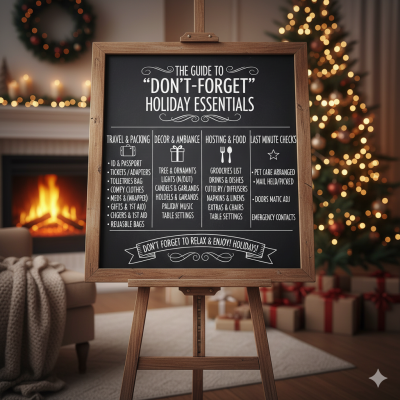
A practical, print-friendly blog to help you leave home calm, packed, and ready. Going on holiday is half excitement, half logistics. This guide keeps it simple: what to sort before you leave, what to pack (and why), plus a master checklist you can copy,
5 minutes read
Travel is magical: you pack half your wardrobe, wear the same hoodie all week, and start saying things like “let’s grab a light bite.” When you book a place on OH-Stay.com, the goal is simple find a stay that’s comfy, convenient, and doesn’t require a hel
4 minutes read