 EUR
EUR
 GBP
GBP
 USD
USD
The ultimate guide to hosting your property on oh-stay

thinking about turning your place into a reliable income stream? listing on oh-stay is a great way to welcome travelers, fund renovations, or simply make better use of a spare room. this comprehensive, copy-and-paste-ready guide walks you through everything from legal basics and pricing to sparkling reviews and scalable operations so you can launch with confidence and grow like a pro.
why host on oh-stay
hosting on oh-stay gives you control over your calendar, attracts a broad audience of travelers, and streamlines payments and reviews in one place. you decide when to open your doors, how to price, and which policies fit your comfort level. with the right setup, hosting can be flexible, rewarding, and surprisingly fun.
step 1: handle the “boring but crucial” basics
before you publish, make sure you’re compliant and protected.
• local regulations: some cities require permits, registrations, or night caps for short-term rentals.
• building/hoa rules: verify that your building or association allows short-term stays.
• insurance: many standard home policies exclude short-term rentals; consider a rider or a dedicated str policy.
• taxes: track booking revenue and expenses from day one. you may owe local lodging/occupancy taxes and income tax.
pro tip: create a one-page compliance sheet listing your permit number(s), tax account(s), emergency contacts, and a concise version of your house rules. keep it printed at home and stored digitally.
step 2: pick your hosting model
• entire home: highest privacy and typically higher nightly rate.
• private room: lower nightly rate, strong urban demand, lighter cleaning load.
• long-stay (28+ nights): fewer turnovers, steadier income; adjust pricing and cleaning cadence accordingly.
step 3: build a high-converting listing
photos: shoot during the day, lights on, landscape orientation. lead with a hero shot (living room, view, or standout feature), then a logical walkthrough: exterior → living → kitchen → bedrooms → bathrooms → outdoor spaces. show function (desk, laundry, storage) and scale (wide shots). include a labeled floor plan if possible.
title: use a simple formula—unique hook + key feature + neighborhood.
example: “sunny loft with balcony • 2 min to metro • arts district”
description: keep it clear and scannable.
-
who it suits best (remote workers, couples, families)
-
what’s special (view, design, patio, parking)
-
room-by-room highlights (bullet points are fine)
-
house rules and any quirks (creaky stairs, morning street noise)
-
access and parking specifics
amenities that matter: fast wi-fi (state the exact speed), self check-in (smart lock or lockbox), blackout shades, quality mattress with two pillow types per guest, a proper desk and outlets, universal chargers, laundry, a complete kitchen kit, and thoughtful basics (oil, salt, pepper, coffee/tea, shampoo/conditioner/body wash). for longer stays, include spare linens and cleaning supplies.
step 4: price like a pro
base strategy: start slightly below comparable places in your area for your first 5–10 bookings to build reviews. use dynamic pricing (even if manual) to adjust for weekends, citywide events, and seasonality. offer weekly and monthly discounts to attract longer stays.
fine-tuning levers:
• minimum nights: 1–2 on weekdays, possibly higher on weekends/peak dates.
• fees: keep cleaning fees aligned with actual costs guests dislike surprise add-ons.
• targets: after your first 90 days, aim for roughly 70–85% occupancy. if you’re below, lower price a bit or upgrade listing quality (photos, amenities, title).
step 5: set policies that balance demand and protection
• cancellation: moderately flexible policies can increase bookings without leaving you overly exposed.
• house rules: quiet hours, no parties, pet terms, smoking policy, and visitor limits put them in the listing and house manual.
• damage coverage: decide on a deposit or coverage and explain it clearly. communicate calmly and document everything if issues arise.
step 6: design a smooth guest journey
messaging templates (copy/paste):
• pre-booking: “thanks for your interest! what brings you to the area, and who will be traveling with you?”
• confirmation: “we’re excited to host you from [dates]. check-in is after 3 pm via smart lock; your unique code arrives at 10 am on arrival day. please review the attached house guide.”
• pre-arrival (24–48 hrs): send directions, parking, wi-fi, local tips, and emergency contacts.
• mid-stay (day 2): “hope everything’s comfy anything we can improve?”
• checkout (night before): friendly reminder with quick instructions (trash, keys, lock).
self check-in done right: smart lock with a unique code per guest, plus a lockbox backup. place a one-page quick-start guide by the entrance.
step 7: deliver cleanliness that earns 5-star reviews
create a standard turnover routine:
• launder all linens and towels (white helps spot stains).
• restock consumables and verify supplies.
• run a 30-point checklist: mirrors, handles, light switches, remotes (with spare batteries), air filters, and vents.
schedule deep cleans every 6–8 weeks: ovens, grout, windows, baseboards, under beds/sofas.
step 8: focus on safety and risk management
hardware: smoke and co detectors, fire extinguisher, first-aid kit, non-slip bath mats.
lighting and access: motion lights at the entry, labeled breakers, clearly marked exits.
cameras: if used, disclose clearly and only in permitted areas (never private spaces).
incident plan: post a laminated card with your phone number, a co-host or handyman contact, and local emergency numbers.
step 9: earn (and keep) glowing reviews
• under-promise, over-deliver: a handwritten welcome note or local snacks go a long way.
• response speed: aim to reply within an hour between 8:00–22:00 local time.
• make it right: if something goes wrong, offer solutions and, when fair, a small gesture (extra cleaning, partial refund).
• ask gracefully: after checkout, thank guests and invite a quick review.
step 10: boost your ranking potential
while oh-stay’s exact search algorithm is proprietary, these factors generally help:
• high-quality photos and a complete amenity list
• competitive pricing and low-friction policies
• consistently fast responses
• strong reviews and a low cancellation rate
• instant booking enabled with reasonable requirements (if comfortable)
step 11: systematize and scale
tools and routines:
• calendar sync to avoid double-bookings.
• automated messages for booking, pre-arrival, mid-stay, and checkout.
• a shared calendar or simple app for cleaners and maintenance.
vendor bench:
• primary and backup cleaners
• a responsive handyman
• optional linen service if volume grows
metrics to track monthly:
• occupancy %, average daily rate (adr), and revenue per available night (revpar)
• cleaning cost per turnover and consumables per stay
• average response time and review rating trends
accessibility and inclusivity
be clear about stairs or step-free entry, door widths, bed height, and shower access. offer a visual house guide with photos and large text. use plain, friendly language. the goal is to help every guest know exactly what to expect.
sustainability guests notice
refillable dispensers (skip the single-use minis), led bulbs, smart thermostats, and clearly labeled recycling/compost bins. stock local products when you can; guests appreciate it and it reduces shipping miles.
pet-friendly, done right
require pre-approval with a brief pet profile (size, crate trained, shedding). charge a realistic pet fee to cover extra cleaning time. prepare a small pet basket (lint roller, waste bags, old towels) and set boundaries (no pets on beds; provide a sofa blanket).
what your house manual should include
• fast facts: wi-fi, parking, quiet hours, thermostat, trash day
• appliance quick-starts: coffee machine, tv and streaming, laundry
• emergency info: nearest hospital/pharmacy, power outage tips
• neighborhood guide: five breakfast spots, five dinner picks, and three must-do activities with walking or driving times
how to handle common issues
noise complaint: acknowledge quickly, suggest remedies (white-noise app, earplugs are stocked), and escalate politely if needed.
damage: document with time-stamped photos, message guests calmly, and use the platform’s resolution flow.
over-occupancy: reference your stated max guest count; offer a paid add-on (if allowed) or enforce policy.
launch checklist (copy/paste)
[ ] local permit and tax compliance confirmed
[ ] short-term rental insurance active
[ ] 12+ bright, well-composed photos plus a hero shot
[ ] compelling title and clear, scannable description
[ ] accurate amenity list with tested wi-fi speed
[ ] dynamic pricing set; minimum nights configured
[ ] house rules visible in listing and manual
[ ] smart lock set; backup lockbox and labeled keys
[ ] house manual printed and digital
[ ] cleaner scheduled; turnover checklist ready
[ ] welcome and checkout message templates loaded
sample welcome message (copy/paste)
hi [guest name],
we’re excited to host you from [date–date]. self check-in is anytime after 3 pm via smart lock. your unique code is [code].
wi-fi: network [name] / password [pass]
parking: [instructions]
quiet hours: 22:00–8:00
local picks: [3 quick suggestions]
message us anytime happy to help. have a wonderful stay!
final thought
great hosting on oh-stay isn’t luck it’s a system. nail the basics (compliance, insurance, taxes), showcase your place with excellent photos and a clear description, price intelligently, communicate proactively, and clean consistently. then iterate with every stay. if you’d like, share your property type, location, and standout features, and i’ll draft a tailored title, description, pricing plan, and a custom launch checklist you can plug in today.
Related Stories
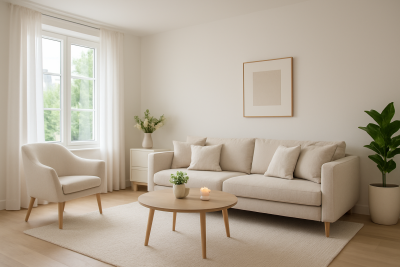
Home staging is a powerful tool to maximize the visual appeal of a property and help it sell or rent faster. By strategically preparing your home, you can ensure potential buyers see it as attractive, functional, and welcoming. Here are the best tips to m
3 minutes read