 EUR
EUR
 GBP
GBP
 USD
USD
Discover Spain – A Culinary Journey Through Flavors, Traditions & Restaurants
Spain is a country that lives and breathes food. From family-run tapas bars in Andalusia to Michelin-starred dining rooms in the Basque Country, Spanish cuisine celebrates community, creativity, and heritage. Eating and drinking here isn’t just about taste — it’s about culture, rhythm, and passion.
Tapas Culture – Small Plates, Big Flavor
No trip to Spain is complete without discovering the joy of tapas. These small, shareable dishes are at the heart of Spanish social life. The tradition started centuries ago when tavern owners covered glasses of sherry with small plates of food — and evolved into one of the country’s most beloved customs.
In Madrid, explore the lively La Latina neighborhood, where tapas bars spill onto cobbled streets. Try patatas bravas, croquetas de jamón, and tortilla española with a caña (small beer). In Seville, the tapas capital of Spain, visit El Rinconcillo, the city’s oldest bar (founded in 1670), for a taste of history on every plate.
Regional Flavors – A Country of Culinary Diversity
Each region of Spain has its own unique specialties and ingredients.
In Valencia, paella reigns supreme. Head to La Pepica on the Malvarrosa Beach, a restaurant that has been serving authentic paella since 1898.
In Andalusia, freshness and simplicity define the cuisine. Cool down with salmorejo cordobés in Córdoba, or savor pescaíto frito (fried fish) in Málaga’s El Tintero, a lively beachfront restaurant where waiters auction off plates by shouting their names.
Travel north to the Basque Country, and you’ll find some of Europe’s best restaurants. San Sebastián alone has more Michelin stars per capita than almost any other city in the world. Enjoy creative pintxos in the Parte Vieja, or indulge in a world-class dining experience at Arzak or Mugaritz.
Traditional Dishes to Try
Spanish cuisine balances regional pride with universal favorites. Don’t miss these iconic dishes:
-
Paella Valenciana – saffron rice with chicken, rabbit, and beans
-
Jamón Ibérico – cured ham, best enjoyed in thin slices from Cinco Jotas
-
Pulpo a la Gallega – Galician-style octopus with paprika and olive oil
-
Cocido Madrileño – Madrid’s hearty chickpea stew served in three courses
-
Gazpacho – a refreshing cold tomato soup, perfect for Andalusian summers
Markets – Where Food Comes Alive
Spanish markets are vibrant, social, and delicious. The Mercado de San Miguel in Madrid is a gourmet paradise, offering oysters, Iberian ham, and wine tastings in a beautifully restored iron-and-glass building. In Barcelona, La Boqueria Market dazzles visitors with mountains of fruit, seafood, and spices.
For something more local, explore Mercado Central de Valencia, one of Europe’s oldest food markets, where locals shop daily for fresh produce, meats, and cheeses.
Drinks of Spain – From Rioja Reds to Vermouth & Cava
Spain’s drinks are as diverse as its cuisine. The La Rioja region produces elegant red wines, while Ribera del Duero offers deep, complex flavors. Along the coast, crisp Albariño from Galicia pairs beautifully with seafood.
In Catalonia, celebrate with sparkling Cava, Spain’s answer to Champagne. For something more local, try vermut (vermouth) on ice before lunch — a tradition making a strong comeback in cities like Madrid and Barcelona.
And don’t forget tinto de verano (red wine with soda), the refreshing summer favorite enjoyed in every corner of Spain.
Fine Dining & Michelin Stars
Spain’s rise as a global culinary powerhouse is undeniable. The country boasts over 250 Michelin-starred restaurants, led by pioneers who have revolutionized modern cuisine.
Highlights include:
-
El Celler de Can Roca in Girona – run by the Roca brothers, voted best restaurant in the world multiple times
-
DiverXO in Madrid – by chef Dabiz Muñoz, offering avant-garde creations in a surreal setting
-
Azurmendi near Bilbao – a sustainable, three-Michelin-star restaurant celebrating Basque flavors
Even if fine dining isn’t your style, Spain’s culinary quality shines everywhere — from humble tapas bars to seaside chiringuitos (beach bars).
The Spanish Way – Food as a Way of Life
Meals in Spain are social, slow, and joyful. Lunch (comida) is the main meal, often lasting hours and followed by a siesta. Dinner (cena) starts late — rarely before 9:30 p.m. — when terraces fill with laughter and the smell of grilled seafood.
The true essence of Spanish dining lies in togetherness — sharing dishes, talking, laughing, and enjoying the moment.
Why Spain Tastes So Good
Spain’s food scene is a blend of tradition and innovation, rustic simplicity and artistic flair. It’s about balance — between land and sea, old and new, comfort and surprise. Whether you’re savoring jamón ibérico in a small tavern or tasting avant-garde creations in a Michelin-starred restaurant, one thing never changes: the Spanish devotion to good food and good company.
In Spain, eating and drinking aren’t just part of the day — they are the heartbeat of life itself.
Related Stories

Savor the flavors of Marbella with our top dining recommendations.
4 minutes read

Dani García isn’t just a chef in Marbella; he’s the city’s culinary heartbeat. His audacious vision has not only put Marbella on the global gastronomic map but has also redefined what it means to experience high-end Andalusian cuisine. From earning — and
6 minutes read
Austria is a country where every meal feels like a celebration — of tradition, craftsmanship, and comfort. From elegant coffee houses in Vienna to hearty Alpine taverns in Tyrol, Austrian cuisine tells the story of its landscapes and people. Whether you’r
6 minutes read
Belgium may be small, but its culinary scene is world-class. From Michelin-starred dining rooms in Brussels to cozy beer cafés in Bruges and seaside bistros in Ostend, this country combines French finesse, Flemish comfort, and pure passion for good food.
5 minutes read
Bulgaria’s culinary scene is a delicious blend of old-world recipes and modern creativity. Whether you’re looking for fine dining in Sofia, a glass of red in the Thracian Valley, or homemade banitsa in a mountain village, Bulgaria offers a remarkable rang
4 minutes read
Croatia is a culinary paradise where the flavors of the Adriatic Sea, the Dalmatian coast, the Slavonian plains, and the Istrian hills come together. From refined Michelin-starred restaurants to cozy konobas and markets filled with local delicacies, Croat
6 minutes read

Cyprus is a Mediterranean gem where Greek, Turkish, and Middle Eastern influences blend into a vibrant culinary scene. From bustling markets in Nicosia to seaside tavernas along the coast, Cypriot cuisine is colorful, authentic, and rooted in tradition. W
6 minutes read

The Czech Republic offers a rich tapestry of flavors, from hearty traditional dishes to innovative modern cuisine. Whether you're savoring a classic goulash in Prague or exploring the vibrant food scene in Brno, the country's culinary offerings are sure t
5 minutes read
Denmark is a haven for food enthusiasts, offering a rich tapestry of flavors that blend traditional Danish cuisine with innovative culinary creations. From the bustling streets of Copenhagen to the charming towns of Aarhus, Odense, and Aalborg, Denmark's
6 minutes read
Estonia's culinary scene is a delightful blend of traditional flavors and innovative cuisine. From the medieval charm of Tallinn to the vibrant streets of Tartu and the coastal beauty of Pärnu, Estonia offers a rich tapestry of dining experiences that ref
5 minutes read

Finland's culinary scene is a harmonious mix of fresh, local ingredients and innovative Nordic cuisine. From the bustling streets of Helsinki to the cultural charm of Turku and the serene beauty of Lapland, Finland offers a wide array of dining experience
6 minutes read

France’s culinary landscape is world-renowned, combining timeless traditions with modern innovation. From the elegant streets of Paris to the historic charm of Lyon and the sun-soaked flavors of Provence, France offers a rich array of dining experiences t
6 minutes read

Germany’s culinary scene is rich, diverse, and full of regional character. From the vibrant streets of Berlin to the historic charm of Munich and the picturesque Rhine Valley, Germany offers a variety of dining experiences that reflect its deep-rooted tra
7 minutes read

Greece’s culinary scene is a celebration of fresh ingredients, bold flavors, and centuries-old traditions. From the vibrant streets of Athens to the historic charm of Thessaloniki and the sun-soaked islands, Greece offers a rich tapestry of dining experie
6 minutes read

Hungary’s culinary scene is a rich blend of hearty traditional dishes and innovative modern cuisine. From the historic streets of Budapest to the charming city of Szeged and the wine regions of Eger, Hungary offers a diverse range of dining experiences th
6 minutes read
Iceland’s culinary scene is defined by fresh, natural ingredients and bold Nordic flavors. From the vibrant streets of Reykjavik to the scenic Westfjords and the geothermal regions of the Golden Circle, Iceland offers a variety of dining experiences that
6 minutes read

Ireland’s culinary scene combines hearty tradition, coastal freshness, and modern creativity. From the lively streets of Dublin to the rugged Wild Atlantic Way and the lush farmlands of the Midlands, Ireland offers a rich tapestry of dining experiences th
6 minutes read
Italy’s cuisine is a celebration of regional diversity, craftsmanship, and love for food. From the bustling trattorias of Rome to the vineyards of Tuscany and the seafood kitchens of Sicily, Italy offers an endless feast for the senses — rooted in traditi
7 minutes read
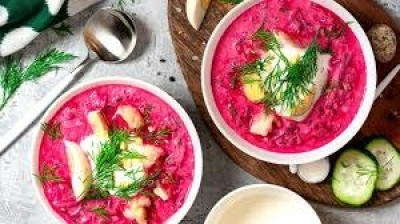
Latvia’s cuisine is a harmonious blend of Baltic traditions, pristine local produce, and contemporary creativity. From the fish-rich shores of the Baltic Sea to the forested countryside and Riga’s lively markets — Latvia invites you on a journey through t
4 minutes read
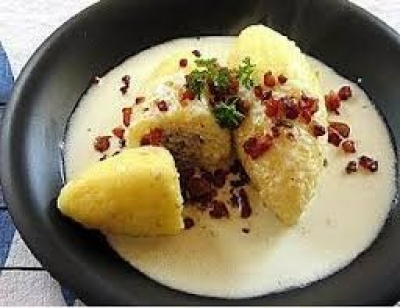
Lithuania’s cuisine is a reflection of its rich history, diverse landscapes, and deep-rooted traditions. From the cobblestone streets of Vilnius to the serene countryside, Lithuania offers a culinary experience that is both comforting and innovative.
6 minutes read

Luxembourg’s cuisine is a delightful fusion of French, German, and Belgian influences, reflecting its central location in Europe. From the charming streets of Luxembourg City to serene villages and lush valleys, every dish celebrates seasonal ingredients,
6 minutes read
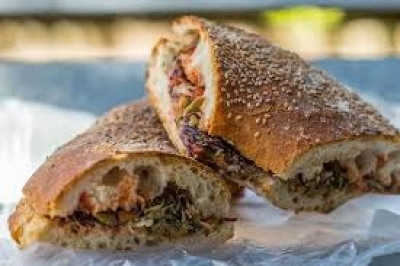
Malta’s cuisine reflects its rich Mediterranean heritage, blending Sicilian, Arabic, and British influences. From the vibrant streets of Valletta to the serene countryside and coastal towns, every dish celebrates the harmony of tradition, craftsmanship, a
7 minutes read

Dutch cuisine combines hearty tradition with modern innovation, shaped by centuries of trade, fertile landscapes, and coastal bounty. From the vibrant streets of Amsterdam, Rotterdam, and The Hague to the serene villages and pastoral countryside, every di
7 minutes read

Norwegian cuisine reflects its rugged landscapes, coastal abundance, and centuries-old traditions. From the fjords to modern cities, every meal celebrates fresh, local ingredients and a deep connection to nature.
7 minutes read
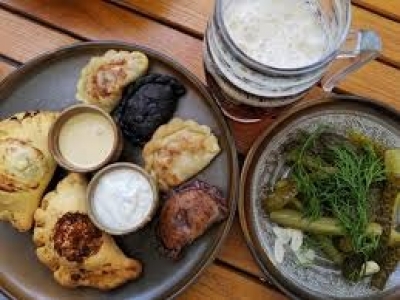
Polish cuisine reflects centuries-old traditions, regional diversity, and a deep connection to the land and seasons. From the mountains and lakes to vibrant cities, every meal celebrates rich, hearty flavors and a proud culinary heritage.
6 minutes read

Portuguese cuisine is built on a rich past, coastal bounty, regional variety, and a warm sense of place. From Lisbon’s cobbled streets to Porto’s riverside terraces, every dish tells a story of land, sea, tradition, and creativity.
6 minutes read
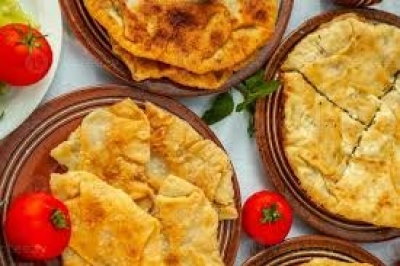
Romanian cuisine is a reflection of its landscapes, history, and heartfelt traditions. From the Carpathian Mountains to the Black Sea coast, every meal celebrates local ingredients, regional heritage, and the warmth of Romanian hospitality.
6 minutes read

Slovak cuisine is deeply rooted in its landscapes — mountain valleys, forests, rivers, and farmland. From Bratislava’s elegant streets to Kosice’s eastern charm and the Tatra mountain villages, every dish tells a story of heritage, nature, and hearty trad
6 minutes read
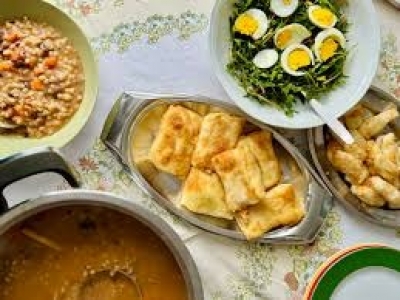
Slovenian cuisine reflects its diverse landscapes — from the Alps and rolling hills to the Adriatic coast — and a rich mix of Central European and Mediterranean influences. Every dish celebrates local ingredients, centuries-old traditions, and the country
6 minutes read

Swedish cuisine reflects the country’s rich landscapes — from dense forests and shimmering lakes to the rugged Arctic north — and a strong connection to seasonal, local ingredients. Every dish celebrates centuries-old traditions and the close relationship
6 minutes read
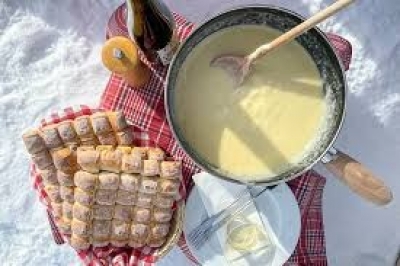
Swiss cuisine is a reflection of the country's diverse landscapes — from the majestic Alps and serene lakes to the picturesque villages and bustling cities. Rooted in centuries-old traditions, Swiss food emphasizes local, seasonal ingredients and a deep c
7 minutes read
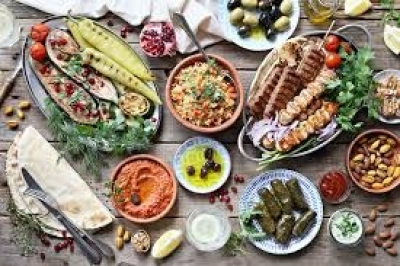
Turkish cuisine is a tapestry of rich flavors, diverse ingredients, and centuries-old traditions. From the bustling bazaars of Istanbul to the serene landscapes of the Aegean coast, Turkey offers a culinary adventure that delights the senses.
7 minutes read

The United Kingdom boasts a rich culinary heritage, shaped by its diverse landscapes, cultures, and centuries of tradition. From bustling cities to tranquil countryside, British cuisine celebrates seasonal ingredients, local flavors, and international inf
6 minutes read